The Storied History of Longjing (Dragon Well) Tea
Longjing tea, celebrated as Dragon Well, boasts a history that spans over a thousand years, rooted in the mist-shrouded hills of West Lake in Hangzhou. Its imperial associations and meticulous craftsmanship have cemented its status as China’s “Famous Tea,” making it a treasure for both connoisseurs and casual drinkers alike.
Origins in West Lake
Longjing originates from Longjing Village on the shores of West Lake in Hangzhou, Zhejiang Province, where the region’s clay-rich soil and temperate climate produce leaves of unmatched quality.
Historically, five areas—Shi Feng, Mei Jia Wu, Hupao, Yunxi, and the village of Longjing itself—each contributed subtle variations in aroma and flavor based on micro-terroir.
Imperial Patronage
One legend credits the Qianlong Emperor, who in the 18th century praised the tea’s fragrance on Lion Peak Mountain (Shi Feng Shan), elevating select bushes to “imperial” status and reserving their harvest exclusively for the court.
This royal endorsement not only boosted Longjing’s prestige but also set a benchmark for quality that persists to this day.
Evolution to Modern Production
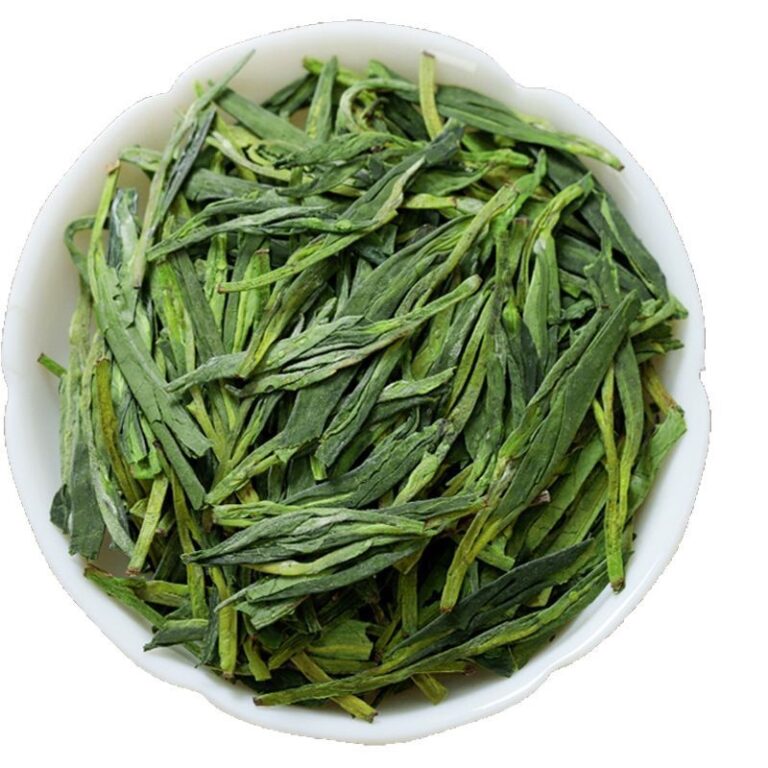
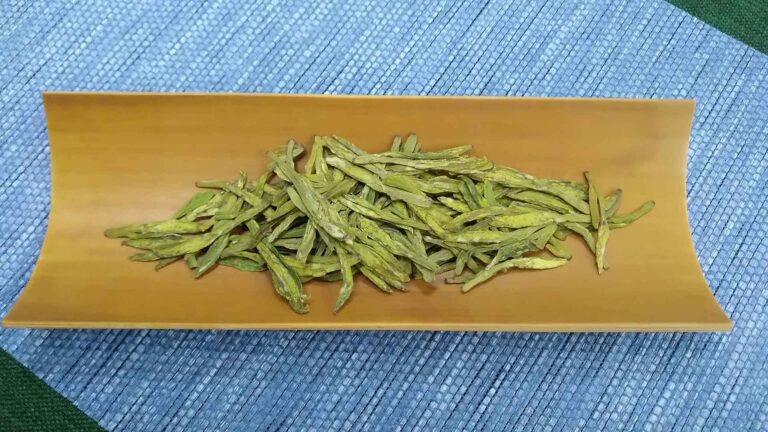
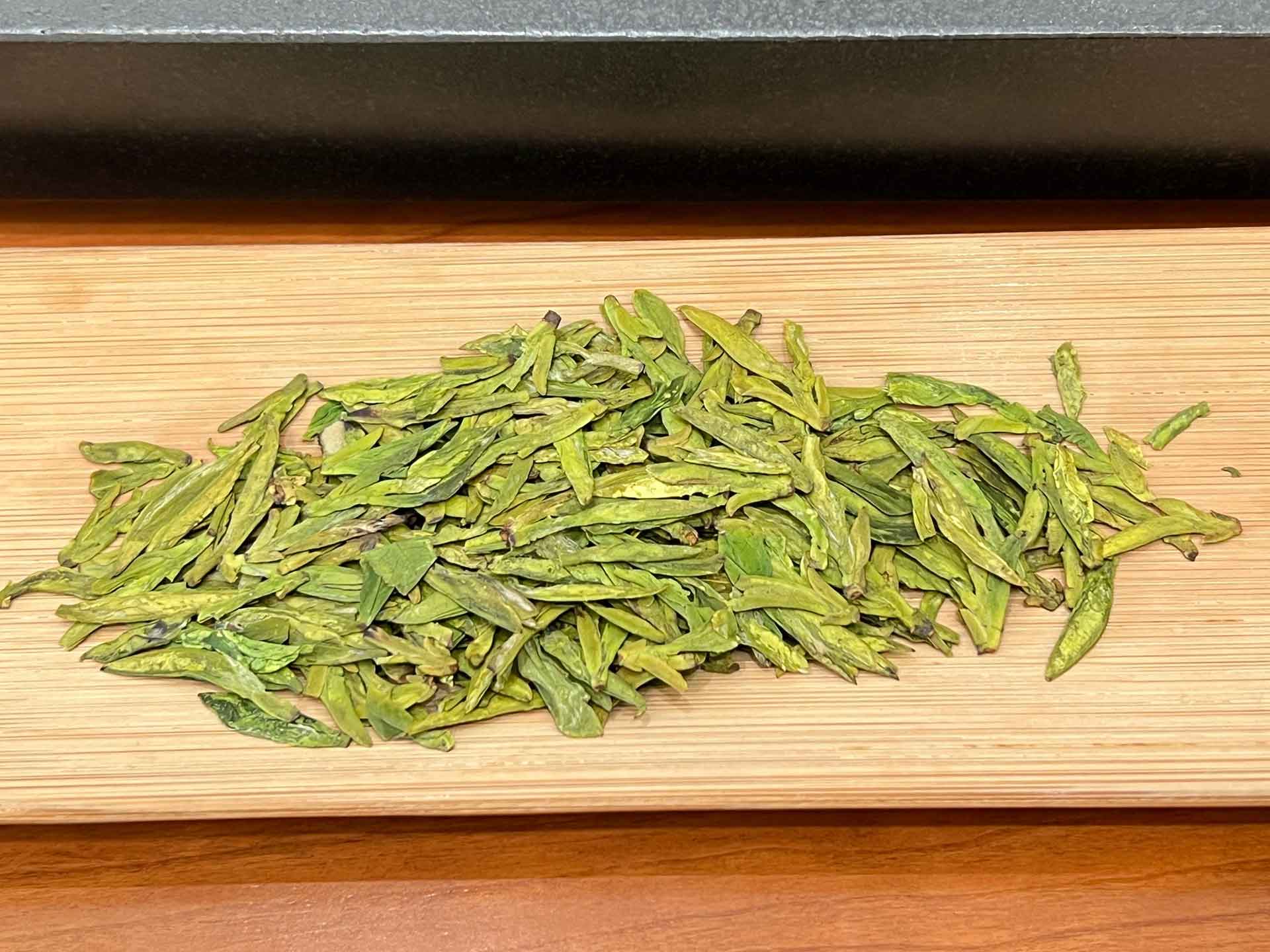
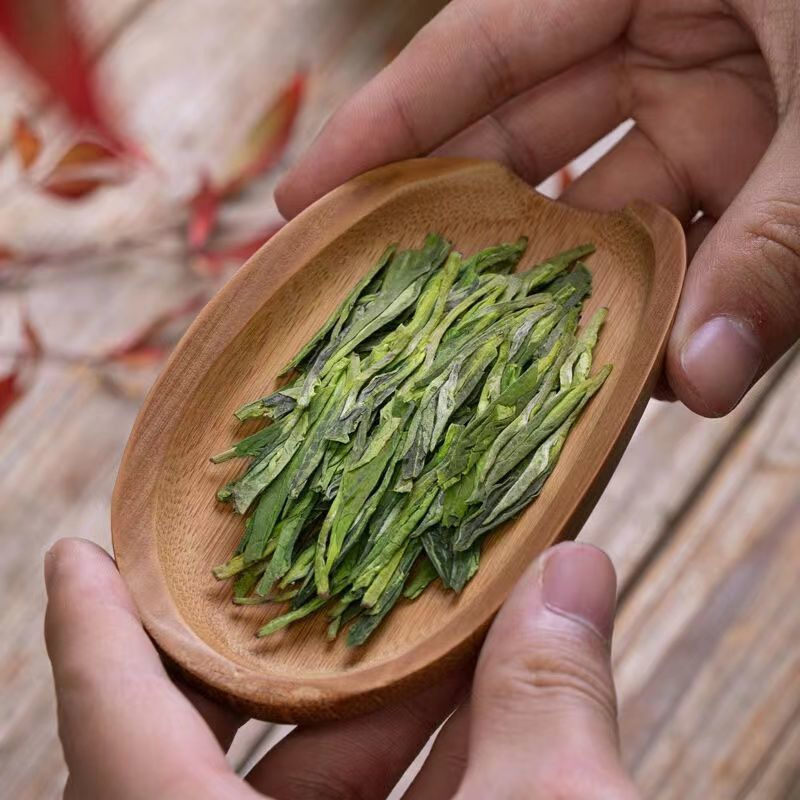
Over centuries, processing evolved from simple sun-drying to the signature pan-firing technique that halts oxidation and imparts the flat leaf shape and nutty aroma Longjing is known for.
Today’s producers combine traditional hand-craftsmanship with organic cultivation methods to meet global demand while preserving the tea’s authentic character.